Sometimes life does not give you enough time to plan. You may wake up sick, face a family emergency, deal with car trouble, or suddenly need to handle something important at home. In these moments, knowing the right way to explain your absence matters.
The best good excuses to miss work on short notice are honest, simple, and reasonable. You do not need to share every private detail. You just need to communicate clearly, inform your manager as early as possible, and show that you respect your work responsibilities.
This career guidance guide provides valid reasons to miss work, offers examples of what to say, highlights mistakes to avoid, and provides helpful tips for maintaining a professional message.
Table of Contents
Quick Answer: Best Good Excuses to Miss Work on Short Notice
The most acceptable short-notice work excuses usually include:
- Sudden illness
- Food poisoning
- Migraine
- Family emergency
- Child illness
- Car trouble
- Home emergency
- Emergency medical appointment
- Mental health concern
- Pet emergency
- Accident or injury
- Transportation issue
- Power or internet outage for remote workers
- Urgent personal matter
These are believable because they can happen unexpectedly and may stop you from working safely or properly.
What Makes a Work Excuse Acceptable?
A good excuse is not about creating a dramatic story. It is about giving a clear and respectful reason for why you cannot work.
A strong excuse usually has these qualities:
- It is realistic.
- It is short and direct.
- It does not include unnecessary details.
- It explains why you cannot work.
- It is shared as soon as possible.
- It matches your company’s leave policy.
- It does not sound exaggerated or fake.
When using good excuses to miss work on short notice, remember that professionalism matters more than storytelling.
Things to Do Before Calling Out of Work
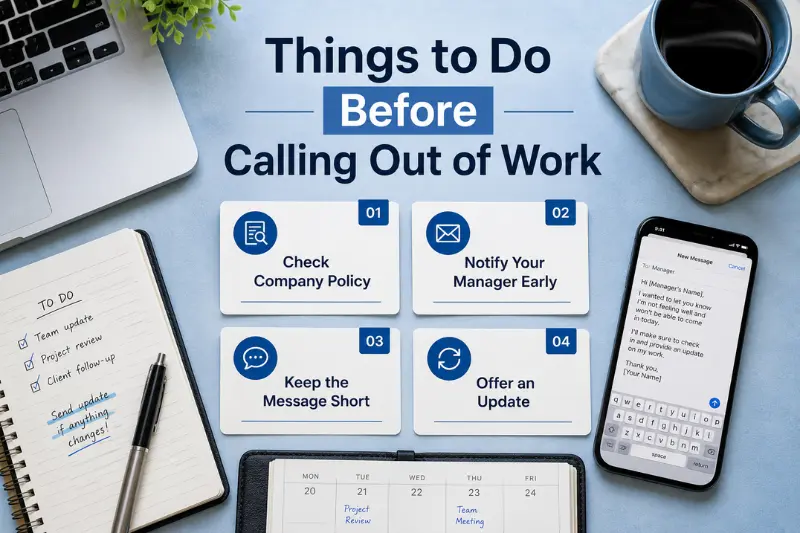
Before you message your boss, take a minute to prepare. This can help you sound calm, responsible, and trustworthy.
Check Your Company Policy
Some companies want employees to call, while others prefer email, Slack, WhatsApp, or an HR portal. Follow the correct method if you know it.
Tell Your Manager Early
Do not wait until your shift starts if you already know you cannot come in. A quick message gives your manager more time to adjust the schedule.
Keep Your Explanation Simple
You do not need to explain every detail. A short message is often better than a long one.
Offer a Small Update If Needed
If possible, mention whether you will update them later or return the next day. This shows responsibility.
Example:
“I’m sorry for the short notice, but I’m not feeling well today and won’t be able to work. I’ll rest and update you later if anything changes.”
1. Sudden Illness
Sudden illness is one of the most common and acceptable excuses. If you wake up with fever, vomiting, flu symptoms, stomach pain, or severe weakness, it is better to stay home and recover.
This is also important if your illness could spread to coworkers.
What to say:
“Hi, I’m sorry for the short notice, but I woke up feeling very unwell today. I won’t be able to come in, and I’ll keep you updated if my condition changes.”
2. Food Poisoning
Food poisoning can happen suddenly and make it impossible to work. It often includes vomiting, stomach cramps, weakness, and frequent bathroom trips.
You do not need to give graphic details. Keep it simple.
What to say:
“I’m dealing with food poisoning symptoms this morning and won’t be able to work today. I’m sorry for the short notice.”
3. Migraine or Severe Headache
A serious migraine can make it hard to look at screens, drive, talk, or focus. This is a valid reason, especially if your job requires concentration or computer work.
What to say:
“I have a severe migraine today and cannot focus properly or look at a screen. I need to take the day to recover.”
4. Family Emergency
A family emergency is one of the strongest good excuses to miss work on short notice because it is usually unexpected and urgent.
This may include a sick family member, hospital visit, accident, or urgent caregiving responsibility.
What to say:
“I’m dealing with an urgent family matter today and won’t be able to come in. I’ll update you as soon as I can.”
5. Child Is Sick
If your child is sick, you may need to stay home, take them to a doctor, or arrange care. Most employers understand this because childcare issues can happen without warning.
What to say:
“My child is sick today, and I need to stay home to take care of them. I’m sorry for the short notice and will update you later.”
6. Emergency Doctor’s Appointment
Sometimes you may need a same-day doctor appointment because of sudden symptoms, pain, or a health concern. This is a valid reason to miss work or leave early.
What to say:
“I need to attend an urgent medical appointment today and won’t be able to work during my shift. I apologize for the short notice.”
7. Dental Emergency
Dental pain can become serious quickly. A broken tooth, swelling, severe toothache, or emergency treatment can stop you from working normally.
What to say:
“I’m having a dental emergency and need to see a dentist today. I won’t be able to come in, but I’ll keep you updated.”
8. Car Trouble
Car problems are common, especially if you drive to work. A flat tire, dead battery, engine issue, or accident on the way can make you late or unable to reach the workplace.
What to say:
“My car won’t start this morning, and I’m trying to arrange help. I may not be able to make it in today, but I’ll keep you updated.”
9. Transportation Problem
If you rely on public transport, delays, cancellations, road closures, or strikes can create real problems. This works best when the issue is genuine and affects your route.
What to say:
“There is a major transportation issue on my route today, and I’m unable to get to work on time. I’m checking other options and will update you.”
10. Home Emergency
A sudden home emergency can require your immediate attention. This may include a water leak, power problem, gas issue, broken lock, flooding, or urgent repair.
What to say:
“I have an urgent issue at home that needs immediate attention. I won’t be able to come in today, and I apologize for the short notice.”
11. Accident or Minor Injury
If you are injured, even slightly, you may need time to rest or visit urgent care. Examples include a sprained ankle, back pain, cut, fall, or muscle injury.
What to say:
“I had a minor injury and need to get it checked today. I won’t be able to work my shift, but I’ll update you when I know more.”
12. Mental Health Day
Mental health is a valid reason to miss work, especially if you are feeling overwhelmed, burned out, anxious, or unable to function properly.
You do not have to share deeply personal details. Keep it respectful and simple.
What to say:
“I’m not feeling well mentally today and need to take time to recover. I won’t be able to work today, but I plan to return as soon as I’m able.”
13. Panic Attack or Anxiety Episode
A panic attack or serious anxiety episode can affect breathing, focus, energy, and communication. If you cannot work safely or calmly, it is reasonable to take time off.
What to say:
“I’m dealing with a health-related issue this morning and need time to recover. I won’t be able to come in today.”
14. Pet Emergency
For many people, pets are family. A sudden illness, injury, or emergency vet visit can be a valid short-notice reason to miss work.
What to say:
“My pet has an urgent medical issue, and I need to take them to the vet today. I’m sorry for the short notice.”
15. Power or Internet Outage
This is especially important for remote workers. If your job depends on internet, electricity, or computer access, a sudden outage can stop you from working.
What to say:
“My internet/power is out this morning, and I’m unable to work properly right now. I’m trying to fix it and will update you as soon as possible.”
16. Locked Out of Your Home or Car
Being locked out can happen unexpectedly. It may delay you or stop you from accessing work equipment, keys, transport, or important items.
What to say:
“I’ve been locked out and need to wait for help. I may not be able to make it to work on time, but I’ll keep you updated.”
17. Bad Weather or Unsafe Travel
Heavy rain, snow, flooding, storms, or unsafe road conditions can make travel risky. Safety should come first, especially if authorities warn people to avoid travel.
What to say:
“The weather and road conditions are unsafe in my area today. I don’t feel safe commuting and may not be able to come in.”
18. Urgent Personal Matter
Sometimes the reason is private. You may not want to explain everything to your manager. In that case, “urgent personal matter” is acceptable if used respectfully.
What to say:
“I’m dealing with an urgent personal matter today and won’t be able to work. I apologize for the short notice.”
19. Bereavement or Loss
The death of a loved one is a serious and valid reason to miss work. You may need time to grieve, attend family matters, or make arrangements.
What to say:
“There has been a loss in my family, and I need to take time away from work today. I’ll update you when I can.”
20. Important Appointment That Cannot Be Moved
Some appointments are hard to reschedule, especially medical, legal, school, or official appointments. If it is urgent or unavoidable, explain it briefly.
What to say:
“I have an important appointment today that cannot be moved. I’m sorry for the short notice and won’t be able to work during my shift.”
YOU MAY ALSO LIKE:
FCI HRMS: Login, Payslip, Leave, ERS Portal, App & Employee Services
The Ultimate Guide to Medical Courses in 2026: From Degrees to Free Online Certificates
How Is It Possible for Ski Jumpers to Stay in the Air So Long and How Do They Train for That?
Best Excuses for Remote Workers
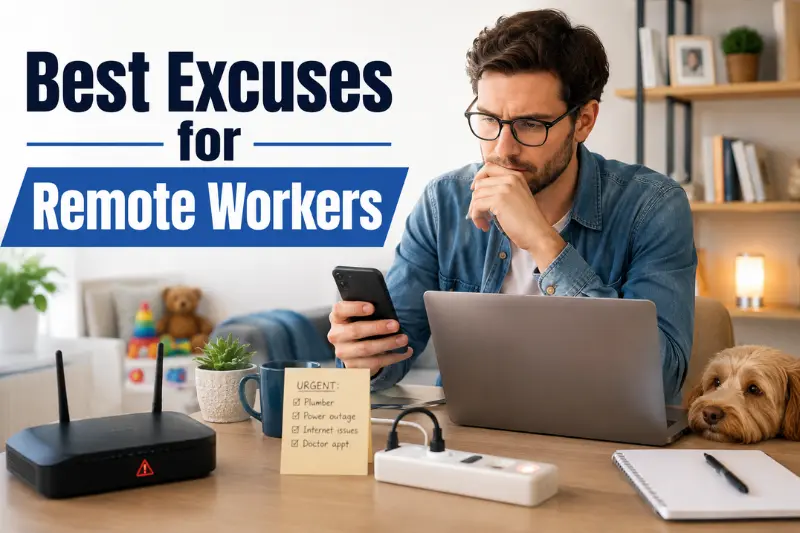
Remote workers may not deal with commuting, but they still face real issues. Here are some good excuses to miss work on short notice when working from home:
- Internet outage
- Power outage
- Laptop or system failure
- Emergency repair at home
- Family emergency
- Sudden illness
- Childcare issue
- Medical appointment
- Noise or safety issue in the home
- Mental health concern
Remote work does not mean you are always available. If you cannot perform your duties properly, communicate clearly and quickly.
Best Excuses to Leave Work Early
Sometimes you can start your shift but cannot finish it. In that case, use a clear reason and tell your manager as soon as possible.
Valid reasons to leave work early include:
- Feeling sick
- Migraine
- Family emergency
- School call about your child
- Doctor or dental emergency
- Car issue
- Home emergency
- Sudden injury
- Urgent personal matter
Example message:
“I’m sorry, but I’m not feeling well and need to leave early today. I’ll make sure any urgent tasks are updated before I go.”
What Not to Say When Missing Work
Even if your reason is valid, the wrong wording can make it sound suspicious. Avoid these mistakes:
- Do not give a long, dramatic story.
- Do not share too many personal details.
- Do not blame others unnecessarily.
- Do not wait too long to inform your manager.
- Do not use the same excuse repeatedly.
- Do not post on social media while calling out sick.
- Do not sound careless or casual.
- Do not lie about serious events.
Good communication protects your reputation.
Worst Excuses to Miss Work
Some excuses can make you look irresponsible. Avoid these unless they are truly unavoidable and you explain them properly.
Bad excuses include:
- “I overslept.”
- “I forgot I had work.”
- “I went out late last night.”
- “I do not feel like coming.”
- “I have nothing clean to wear.”
- “My friend needs company.”
- “I stayed up watching a show.”
- “I am too tired because I partied.”
These reasons may damage trust and make your manager question your professionalism.
How to Tell Your Boss You Cannot Come In
When using good excuses to miss work on short notice, your message should have four parts:
- A polite greeting
- A short reason
- A clear statement that you cannot work
- An update plan if needed
Simple Formula
“Hi [Name], I’m sorry for the short notice, but [reason]. I won’t be able to come in today. I’ll keep you updated and plan to return as soon as I can.”
This formula keeps your message respectful and professional.
Ready-to-Use Text Messages
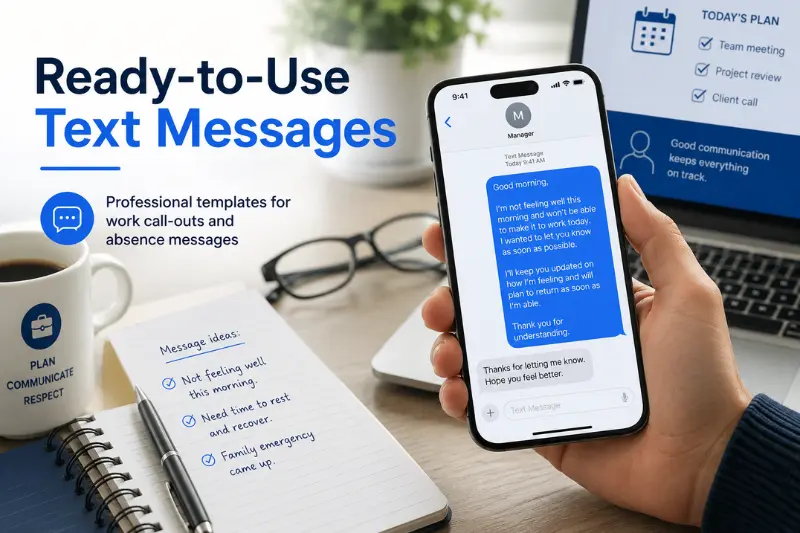
Sick Day Message
“Hi [Name], I’m sorry for the short notice, but I woke up feeling very sick today and won’t be able to work. I’ll rest and update you if anything changes.”
Family Emergency Message
“Hi [Name], I’m dealing with an urgent family emergency today and cannot come in. I apologize for the short notice and will keep you updated.”
Car Trouble Message
“Hi [Name], my car is having trouble this morning, and I’m trying to get help. I may not be able to make it in today, but I’ll update you as soon as I know more.”
Mental Health Message
“Hi [Name], I’m not feeling well today and need to take a personal health day. I won’t be able to work, but I plan to return as soon as possible.”
Home Emergency Message
“Hi [Name], I have an urgent issue at home that needs immediate attention. I won’t be able to come in today. I’m sorry for the short notice.”
Email Template for Missing Work on Short Notice
Subject: Unable to Work Today
Hi [Manager’s Name],
I’m sorry for the short notice, but I’m dealing with an unexpected situation today and won’t be able to come in. I understand this may cause inconvenience, and I’ll do my best to update you if anything changes.
Thank you for your understanding.
Best,
[Your Name]
Phone Call Script
If your workplace prefers calls, keep it short.
“Hi [Manager’s Name], I’m sorry for calling on short notice. I’m dealing with [brief reason] and won’t be able to come in today. I wanted to let you know as early as possible. I’ll update you if anything changes.”
Should You Give Proof?
Sometimes your employer may ask for proof, especially if you miss multiple days. This can include:
- Doctor’s note
- Appointment confirmation
- Repair notice
- Accident report
- School notice
- HR leave form
For one short absence, proof may not always be required. Still, follow your company policy.
How Often Can You Use Short-Notice Excuses?
Even valid excuses can become a problem if they happen too often. Frequent absences may make your manager worry about reliability.
If you often need time off, it may be better to speak honestly with your employer about your situation. You might need a schedule change, remote work option, flexible hours, or formal leave.
Final Thoughts
The best good excuses to miss work on short notice are honest, simple, and easy to understand. Sudden illness, family emergencies, medical problems, car trouble, home emergencies, and mental health concerns are all valid reasons when they are real and urgent.
The key is to communicate early, avoid unnecessary details, and show respect for your workplace. You do not need a perfect story. You need a clear reason, a professional message, and a responsible attitude.
When handled properly, missing work on short notice does not have to damage your reputation. It can simply be part of real life.
FAQs
What are good excuses to miss work on short notice?
Good excuses to miss work on short notice include sudden illness, family emergency, car trouble, home emergency, or urgent medical needs.
How do I professionally call out of work on short notice?
Tell your boss early, give a short honest reason, apologize for the short notice, and say you will update them if needed.
Is sudden illness a valid excuse to miss work?
Yes, sudden illness is a valid excuse to miss work if you cannot perform your job safely or may spread sickness to others.
Can I miss work on short notice for a family emergency?
Yes, a family emergency is an acceptable reason to miss work because urgent personal situations often need immediate attention.
What excuses should I avoid when missing work?
Avoid weak excuses like oversleeping, partying, forgetting your shift, or using the same reason repeatedly.
YOU MAY ALSO LIKE:
APBCR Full Form – Meaning in Banking, Uses, and Simple Explanation
Hakuna Matata Meaning in English – What This Famous Phrase Really Means?